Stone Countertop Cleaning in Fort Wayne: What Not to Use

The safest way to clean a stone countertop is warm water, a small squirt of mild dish soap and a soft microfiber cloth, followed by a rinse and a dry buff. That routine suits granite, quartz and marble alike. The damage people cause tends to come from the extra products they add: vinegar, citrus sprays, scouring powder and wax-based shine.
The Daily Routine That Protects Every Stone

Wet a microfiber cloth with warm water and add a little dish soap. Wipe the surface, then go over it with a clean damp cloth to lift the soap. Finish with a dry cloth.
The drying step matters as much as the washing. Left to air dry, water leaves spots and soap leaves a faint film, and that film is what many people mistake for a "dull" countertop.
Normal daily use of dish soap does not strip sealer. If you prefer a store-bought spray, choose a pH neutral product labeled for stone. Strongly acidic or strongly alkaline cleaners attack marble and can wear down the sealer on granite over time.
Identify Your Stone Before You Reach for a Cleaner
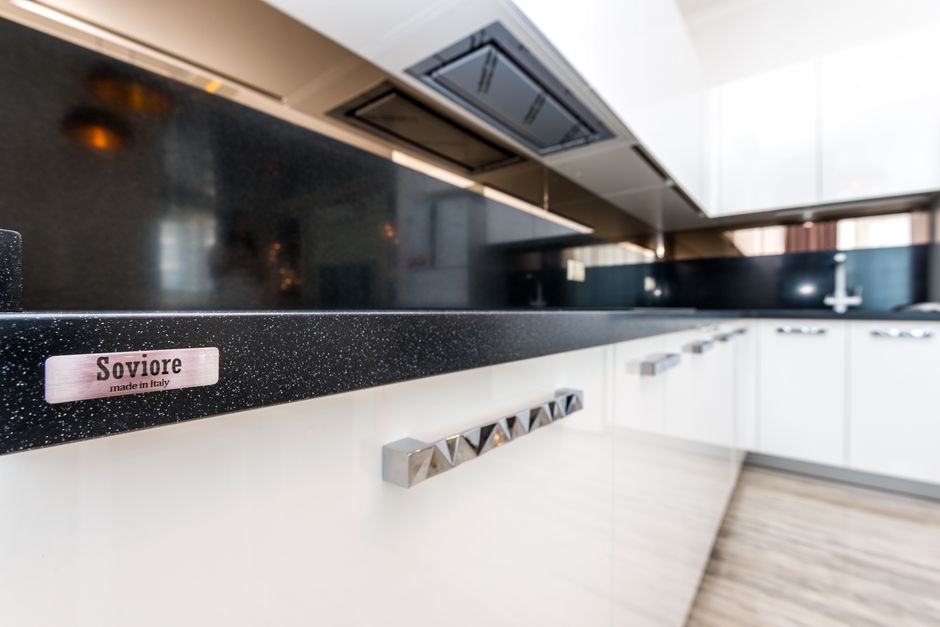
The right product depends on what you own, and the label on the sales sheet is not always reliable.
- Granite: Hard, natural and durable, but it can be porous, so oil and wine can soak in if the sealer has worn.
- Marble: Calcium carbonate, so acid dissolves the surface on contact. It is also softer and scratches more easily.
- Quartz (engineered stone): Crushed quartz bound with polymer resin. It is essentially nonporous but sensitive to heat and harsh chemicals.
- Quartzite: A natural stone, not the same thing as quartz. It may need sealing.
Some slabs sold as granite are actually marble, dolomite or mixed stones that can etch. To check, put a drop of lemon juice on a hidden spot, such as the edge of a sink cutout or the underside of an overhang. Wipe it off after a minute and look for dulling. If the spot dulls, treat the whole counter like marble.
Dark black stones deserve a separate test, because some have been dyed or color enhanced. Rub a cotton swab with acetone on a hidden spot. If color comes off, keep every solvent away from the counter and clean with soap and water only.
Keep Acids Off Marble
Vinegar, lemon juice, citrus cleaners and acidic bathroom descalers should never touch marble, limestone or travertine. Vinegar is not a safe natural cleaner for all stone. Acid eats into the surface and leaves a dull, rough patch called an etch.
Sealer does not prevent this. It slows staining, but it does nothing to stop acid from etching marble.
Etch or stain: which one do you have?
An etch is a light, dull spot where the surface itself has been eaten away. It is physical damage and has to be polished out. A stain is a darker or colored spot where something soaked in, and it has to be drawn back out.
Baking soda paste will not buff out an etch on polished marble. Honed (matte) marble hides etching far better than polished marble, so a polished marble kitchen will show marks over the years. A stone restorer can repolish it, and that is the long-term remedy.
Fort Wayne Hard Water Near the Faucet
Fort Wayne water is moderately hard, and homes on private wells in outlying Allen County often have harder water, sometimes with iron. The result is white mineral rings and orange-tinted spots around faucets and soap dispensers.
Wiping the sink area dry each day is the best prevention. When deposits build up, do not grab an acidic lime remover for marble or granite. Use a mineral deposit remover made for stone, or call a professional.
Also look at the silicone bead around the faucet base and undermount sink once or twice a year. Water that gets under cracked, moldy or loose caulk can darken granite around the sink and loosen the sink mount. Replace caulk that is failing.
What to Avoid on Quartz
Quartz needs no sealing. Sealers and stone polishes have nothing to soak into and only leave residue. If quartz looks cloudy, the cause is usually product buildup, so clean it off rather than adding more.
Heat is the main threat. A hot pan, slow cooker base or electric griddle can scorch, yellow or crack the resin, and quartz is not heatproof. Use trivets every time.
Keep oven cleaner, paint stripper, drain cleaner and concentrated bleach from sitting on it. Strongly alkaline and solvent products can leave permanent dull or discolored spots in the resin.
Skip the Abrasives, Waxes and Shortcuts
Scouring powder, scrub pads and steel wool cut the polish on marble and haze quartz. For dried-on food, use a plastic scraper or a soft nylon brush with soapy water.
Furniture polish, oil soaps and waxy shine products build a film that collects grime and streaks, and they can block sealer absorption later. Dull granite usually needs a good cleaning, not wax.
A few habits prevent scratches and cracks:
- Do not cut directly on stone. It dulls knives and can scratch marble and quartz.
- Lift pots and appliances rather than sliding them, since trapped grit scratches.
- Do not stand, sit or put heavy loads on overhangs or the narrow strips beside sinks and cooktops. Stone cracks under leverage on unsupported spans.
- Store cast iron pans, shaving cream cans and metal canisters on a tray. They leave rust rings on light stone, especially on a wet counter in humid summer weather.
Disinfecting Without Damage
A spray bottle of isopropyl alcohol and water disinfects sealed granite and quartz without harming them. Stone counters do not need daily bleach to be sanitary, and routine bleach or ammonia cleaners can dull sealers and some finishes. Never mix the two, because together they release toxic gas.
Spills and Stains
Wipe spills promptly. The usual culprits are cooking oil, red wine, coffee, tomato sauce and turmeric. On sealed granite, quick cleanup almost always prevents a stain. Oil is the most common stain on granite and shows as a darker blotch.
For a stain that has already set, make a poultice:
- Mix baking soda and water for oil stains, or baking soda and hydrogen peroxide for coffee, tea or wine on light colored stone.
- Spread it over the stain.
- Cover with plastic wrap and tape the edges.
- Leave it 24 to 48 hours so it draws the stain out.
Do not use peroxide on dark stone, because it can lighten the color.
Test the Sealer Instead of Following a Calendar
Granite and marble do not share one resealing schedule. Put a few drops of water on several areas, especially near the sink and cooktop, and wait about 15 minutes. If the stone darkens, the sealer is wearing and it is time to reseal. If the water beads or sits without darkening, the sealer is fine.
Dense granites may go years between sealings, while porous light granites and marble need it more often. Let the test set the interval.
To reseal correctly:
- Clean the stone and let it dry fully, ideally overnight.
- Apply an impregnating sealer and let it dwell for the time on the label.
- Wipe off all excess before it dries.
Sealer left on the surface cures into a sticky or hazy film that is hard to remove.
Older Marble in West Central and South Wayne
Older Fort Wayne homes, including those in West Central and South Wayne, may still have original marble vanity tops, thresholds or window sills. These are often unsealed and already etched. Clean them with soap and water only, keep acidic bath products from sitting on them, and bring in a stone restorer before attempting any polishing yourself.