Which Countertop Material Fits Your Kitchen
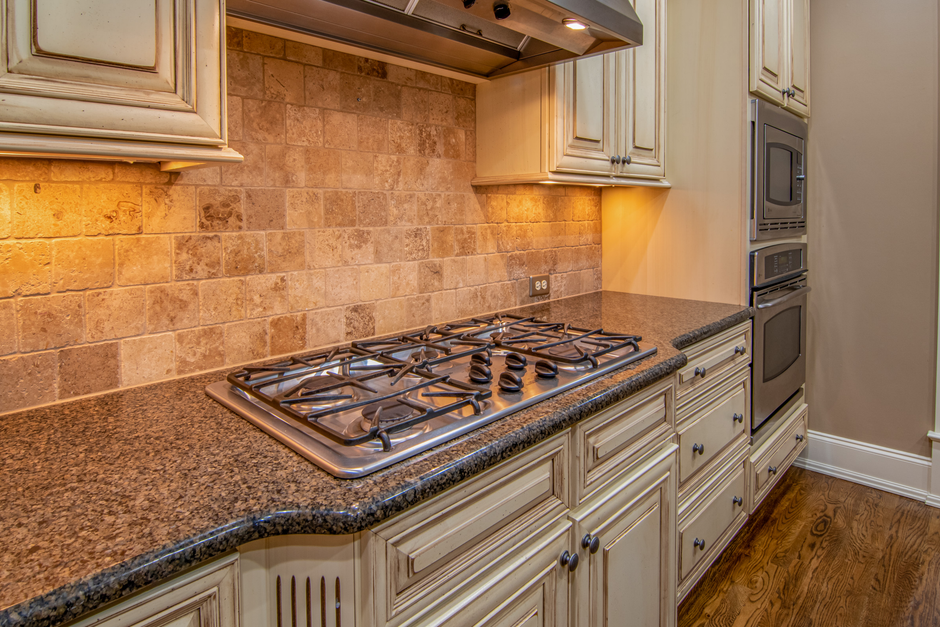
The countertop does one job: it gives a flat, load-bearing surface that takes heat, water, knives and weight without changing shape. Kitchens in Fort Wayne, IN test that every day, and the notes kept at countertops fort wayne dcowan law start with how each material fails, because the failures are more consistent than the sample boards suggest. Granite, quartz, marble, solid surface, laminate and butcher block each break down in one particular way.
Granite and the sealing question
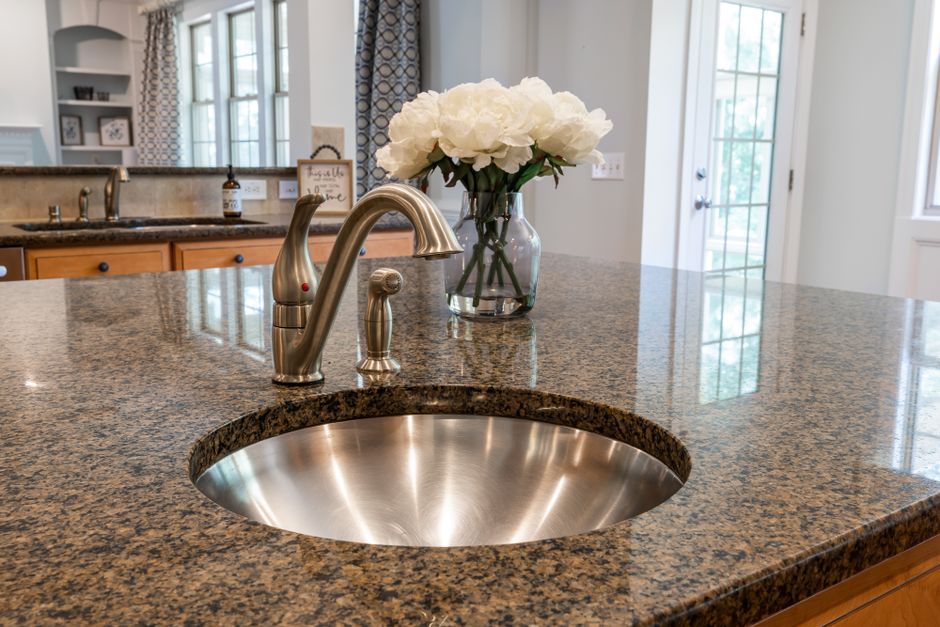
Granite is natural stone, and porosity varies by slab. Some slabs need periodic sealing, and others absorb very little. A yearly schedule applied to every slab is guesswork. The better check is a puddle of water left on the stone for ten minutes. If it darkens the surface, the slab wants sealer. If it beads and wipes clean, leave it alone.
Quartz and heat
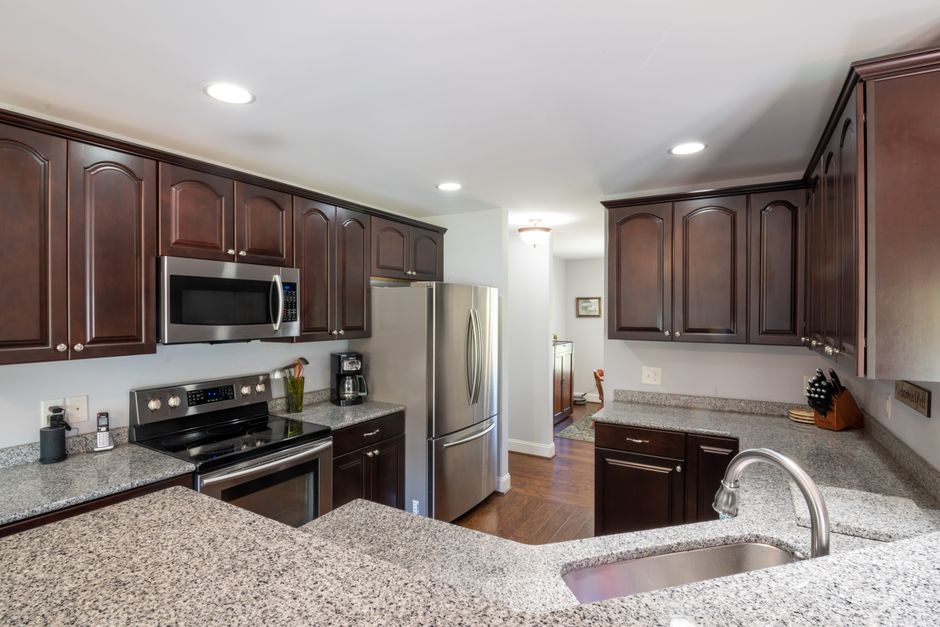
Quartz countertops are crushed quartz bound with resin. That makes them nonporous, so staining is rare, but the resin is sensitive to high heat. A pan straight off the burner belongs on a trivet. The same resin can discolor under prolonged direct sunlight, so quartz is generally not recommended for outdoor use, such as a covered patio kitchen in Allen County.
Marble and acid
Marble is mostly calcite, and calcite reacts with acids. Lemon juice and vinegar leave dull etch marks, which are damage to the surface and not a stain sitting on top. Sealer does not stop etching. A honed finish hides the marks better than a polished one, and a bakery or bar top in a spot like Headwaters Park would show them within a week.
Solid surface and laminate
Solid surface is typically acrylic or polyester based. Light scratches sand out, and a seam can be joined so it is nearly invisible. Laminate is a thin decorative layer bonded to a particleboard or similar core. If water gets into a seam or an unsealed edge, the core swells and the swelling does not go back. Sink cutouts and dishwasher edges are where it starts.
Butcher block, templating and edges
Butcher block is wood, so it expands and contracts with humidity and needs regular oiling or a sealed finish. Winter heating in northern Indiana dries it out and leaves hairline gaps. For any material, templating happens after the cabinets are set and level, not before. The template fixes seam placement, overhang and edge profile. An eased edge chips less than a sharp one, and a bullnose adds thickness to the look. A small vanity can often come from a remnant, which saves a full slab.