Why Countertops Crack, Chip or Stain
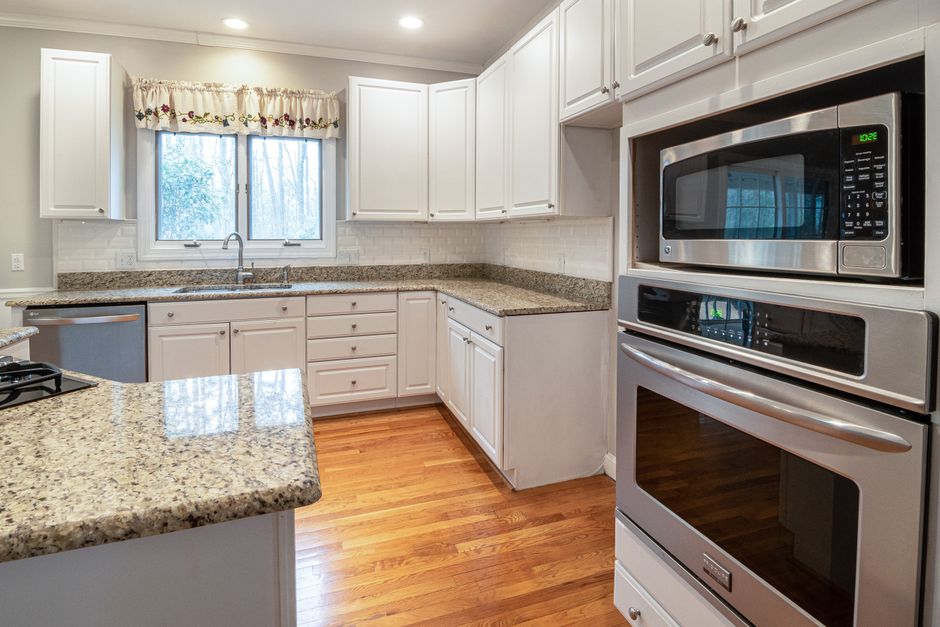
Two marks that look alike on a countertop in Fort Wayne, IN, a hairline scratch and a true crack, behave very differently once the slab is loaded. Cracks often start near sink and cooktop cutouts, where less material remains and stress concentrates, as the notes at countertops fort wayne dcowan law describe. Most repair calls in Allen County begin with one of those two marks, so the first job is telling them apart with a fingernail and a flashlight.
Cracks at the cutouts
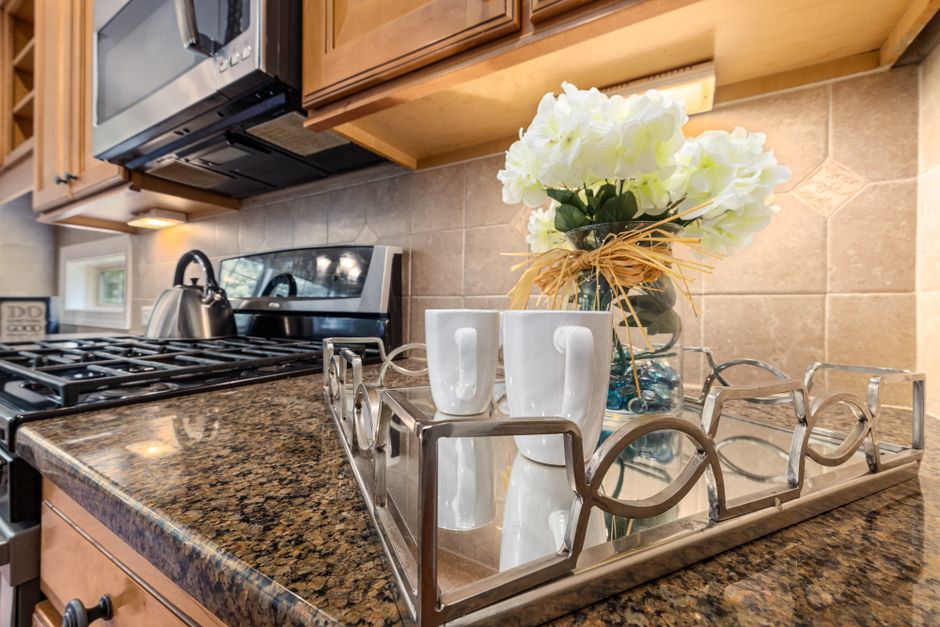
The strip of stone between the front edge and the sink bowl is often only a few inches wide. A square inside corner on the cutout makes it worse, because stress gathers in the corner. Rounded corners with a decent radius spread that load. Granite, marble and quartzite all behave this way, and a thin front rail is the weak point on any of them.
Support underneath
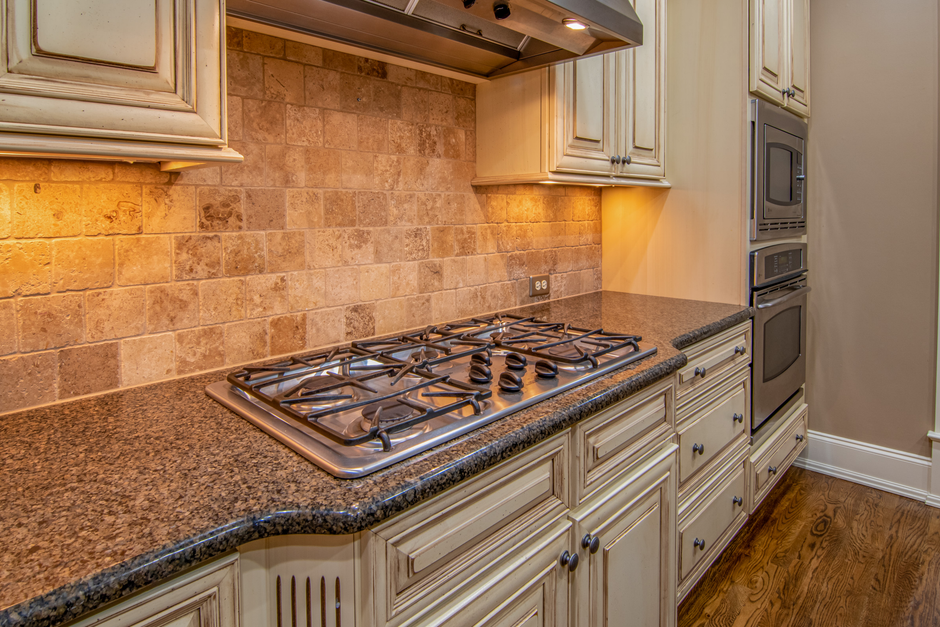
Uneven cabinet support or floor settling can stress a stone top and lead to cracking. A slab bridging a low spot acts like a beam with nothing under it. Before templating, the cabinet run should be checked with a long level and shimmed until the top sits flat. Seam placement matters here too, since a seam over a sagging cabinet will lift or open first.
Edges and chips
Sharp square edges chip more easily than rounded or eased edges. A bullnose or an eased edge takes a knock from a pot or a dishwasher door far better, and the edge profile is worth settling before fabrication. Small chips in stone can often be filled with color matched resin and polished. A chip alone is not a reason to replace the whole top.
Etching and stains on stone
Dull spots on marble are usually etching from acids such as lemon juice, vinegar or wine. That is surface damage rather than a stain, so scrubbing will not lift it. A stone refinisher can hone and repolish the area. Oil and colored liquids are a different problem, since they can stain porous stone that is unsealed or has a worn sealer. A few drops of water on the surface show it quickly. If the water darkens the stone and soaks in, the sealer is spent.
Heat and mineral spots
Hot pans placed directly on quartz can scorch or crack the resin, so trivets are recommended. Stone like granite handles heat better, but the resin binder in quartz does not forgive a pan straight off the burner. Around faucets, white mineral spots build up as water evaporates. They can usually be removed with a cleaner safe for the material, applied and wiped before the film hardens. Marble needs a neutral cleaner, never an acidic descaler.
Reading the damage first
Before any repair, the question is whether the damage sits on the surface or runs through the slab. Etching, mineral film and scorch marks stay on top. A crack that follows a cutout corner or a seam usually points back to support or stress, and fixing the resin alone leaves the cause in place.